
Signs Your Surfaces Need Professional Hard Water Stain Removal
Hard water stains build up slowly, so they are easy to live with until the surface looks permanently cloudy. By the time routine wiping stops working, the minerals have usually bonded to the surface.
- White, cloudy or chalky film on glass, tile or metal fixtures
- Water spots and streaks that come back as soon as they dry
- Crusty buildup around sinks, faucets, drains and mop basins
- Glass that looks etched, dull or hazy even after cleaning
- Water rings on stone, concrete, stainless steel or painted metal
- Stains you have scrubbed more than once with no real change

Hard Water Stain Removal Services in Seattle
The right method depends on the surface, how long the minerals have been sitting and what the buildup has bonded to. A light film on glass is treated differently from years of limescale on tile or fixtures, so we match the approach to the surface instead of using one product everywhere.
- Glass and window hard water removal
- Tile and grout stain removal
- Restroom sinks, faucets and fixture descaling
- Shower, mop sink and drinking fountain mineral removal
- Stone, concrete, stainless steel and metal surfaces
- One-time restoration or a recurring treatment plan
If the staining is on glass, our exterior window cleaning lifts the mineral film that dulls windows. On tiled and grouted areas, our tile and grout service removes the deposit and can seal the surface so it stays cleaner, and on hard outdoor surfaces, pressure washing clears buildup that a standard wash leaves behind.
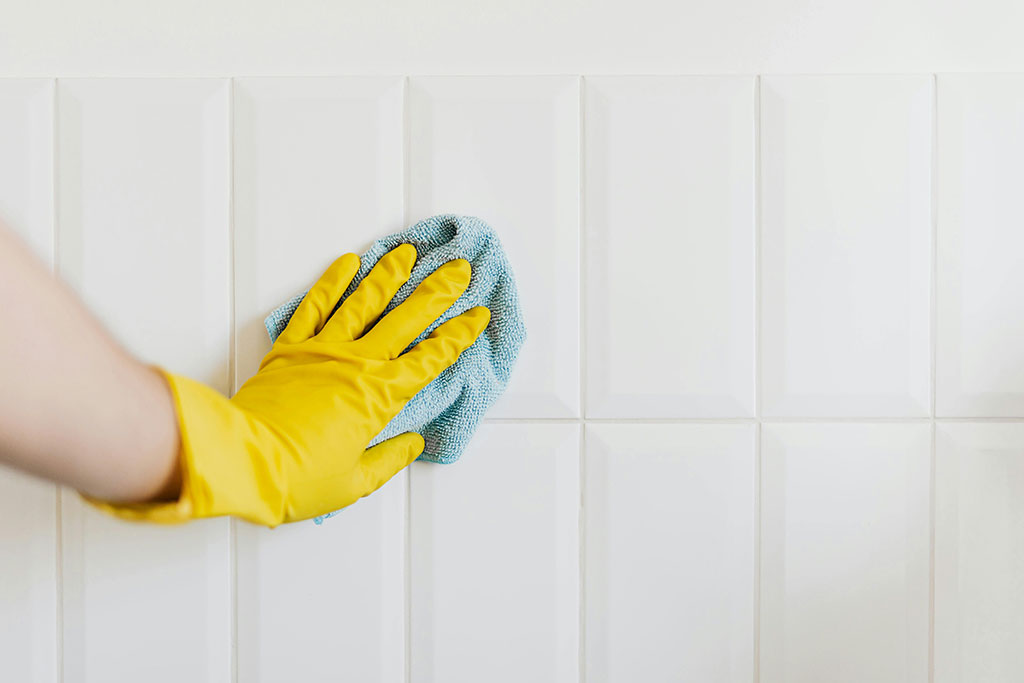

Where Hard Water Stains Show Up
Most businesses notice the stains first on glass, but hard water leaves its mark anywhere water sits and then dries.
- Exterior glass and storefront windows, especially near irrigation and sprinklers
- Restroom mirrors, sinks, faucets and urinals
- Shower rooms, locker rooms and mop sinks
- Drinking fountains and break room sinks
- Tile walls, grout lines and stone floors
- Metal fixtures, handrails and stainless steel panels
- Fountains, water features and the decorative glass around them
How Our Hard Water Stain Removal Process Works
Every surface holds minerals differently, so the treatment is built around the material, the level of buildup and how the space is used.
- 1. Inspect the Surface: we check the material, the extent of the deposit and how long it has been sitting.
- 2. Test in a Small Area: we test the treatment on a hidden spot first to confirm it is safe for the surface.
- 3. Break Down the Minerals: we apply a mineral remover or descaler that lifts the calcium and lime without scratching the surface.
- 4. Polish and Restore: where glass or metal has etched or dulled, we polish it back to a clear, even finish.
- 5. Protect and Prevent: where it helps, we protect the surface and set a schedule that keeps the stain from returning.
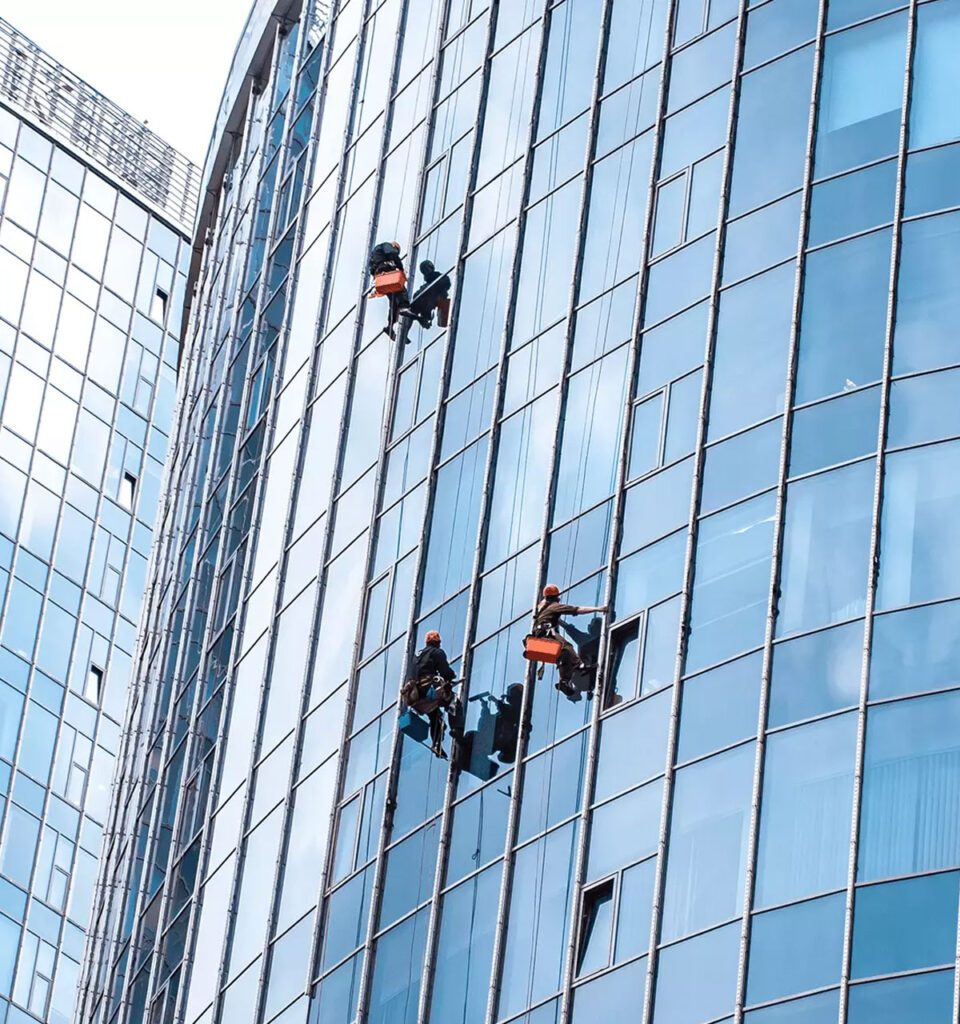
What Causes Hard Water Stains in Seattle
Hard water stains are the mineral residue left behind when water evaporates. The water carries dissolved calcium, magnesium and sometimes silica, and when it dries those minerals settle on the surface. Repeat that cycle and the film turns into a bonded, crusty deposit that normal cleaning cannot lift.
The minerals show up in two common forms. Limescale is the hard, chalky deposit that forms when mineral-heavy water is heated or left to dry, while soap scum forms when soap meets those minerals and the two do not mix cleanly. Both look similar on glass and tile, but they need different treatment.
Seattle tap water is actually on the soft side, so many businesses are surprised by the buildup they find. The stains usually come from irrigation and sprinkler overspray on exterior glass, decorative fountains and water features, cooling tower drift, and interior fixtures where water sits and dries between cleanings.
How Often Should Hard Water Stains Be Treated?
There is no single schedule, because buildup depends on the surface, the water and how fast minerals dry on it.
- Water source: irrigation, fountains and cooling systems leave minerals faster than soft municipal water.
- Surface and location: glass and polished metal show the film first and most visibly.
- Existing buildup: heavy limescale needs one restoration visit before a maintenance schedule makes sense.
- Exposure: surfaces near sprinklers, downspouts or water features stain more often.
- Appearance standards: customer-facing and medical spaces usually need a tighter schedule.
- Prevention: protected and sealed surfaces stay clear longer between treatments.

Why Removing Hard Water Stains Matters
Hard water does not just look bad. Left alone, the minerals etch into glass and dull the finish of tile and metal, and the longer the deposit sits, the harder and more expensive it becomes to remove.
- Restores clarity to glass instead of replacing it, which can cost far more per pane
- Protects tile, stone and metal from etching and long-term mineral damage
- Keeps storefronts, lobbies and shared spaces looking professionally maintained
- Removes the film that hides natural light and makes interiors feel dim
- Extends the life of surfaces you have already paid for
Industries We Serve


Services Provided
-
 Janitorial Services
We will determine your needs and customize your service, but our janitorial service includes tasks such as sanitizing and cleaning restrooms and lunchrooms, dusting cubicles, mopping floors, vacuuming carpets, cleaning windows, trash removal, re-stocking items, etc.
-
 Window Cleaning Services
Our experienced team of professionals will assess your building, access points, foot traffic, and surrounding conditions to determine the safest and most effective way to remove pollen, water stains, dirt, and buildup from your windows.
-
 Pressure Washing
Our commercial, high-power pressure washing will rid your outside surfaces of dirt, grime, mold, and will give the exterior of your buildings a fresh, clean look.
-
 High Dusting Services
Our team will reach all of those hard-to-get spots and remove the dust, allergens, and dirt that can build up in these locations so you don’t risk trying to reach these areas.
 Janitorial Services
 Window Cleaning Services
 Pressure Washing
 High Dusting Services
Other Services We Offer
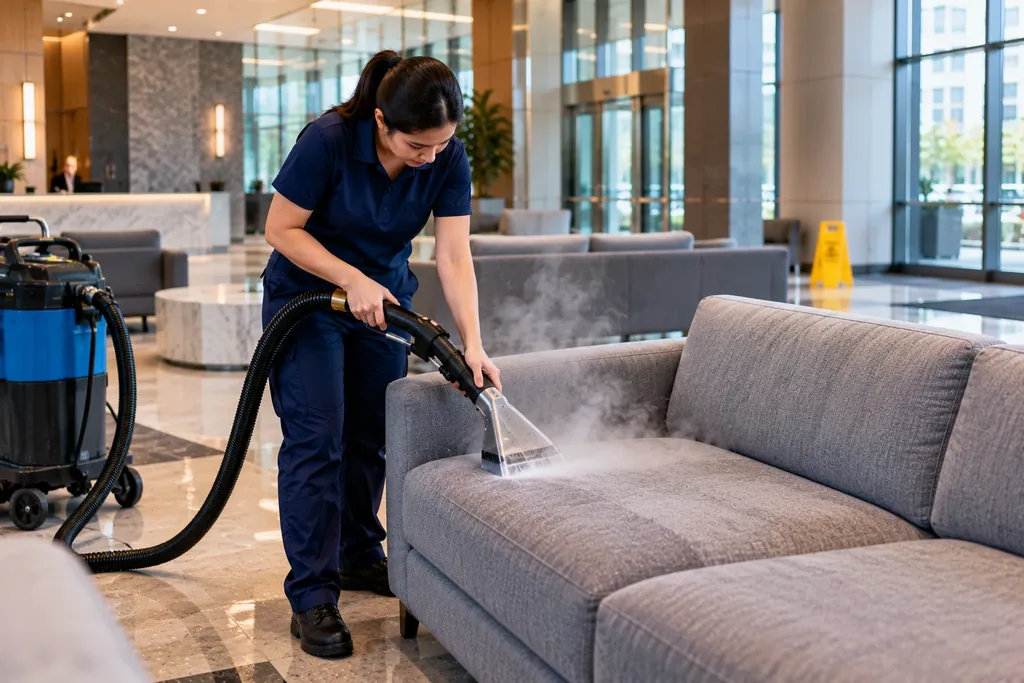
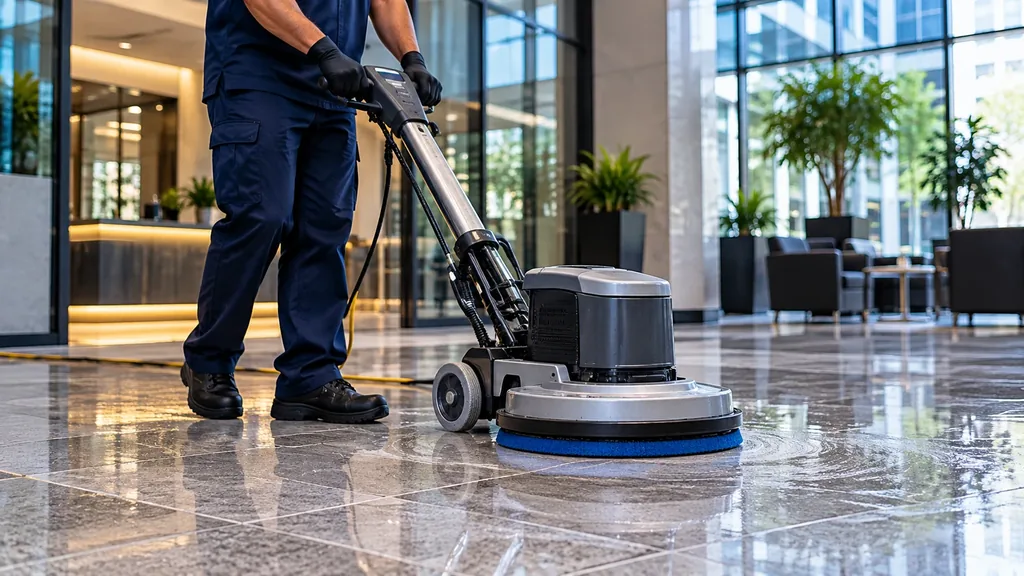
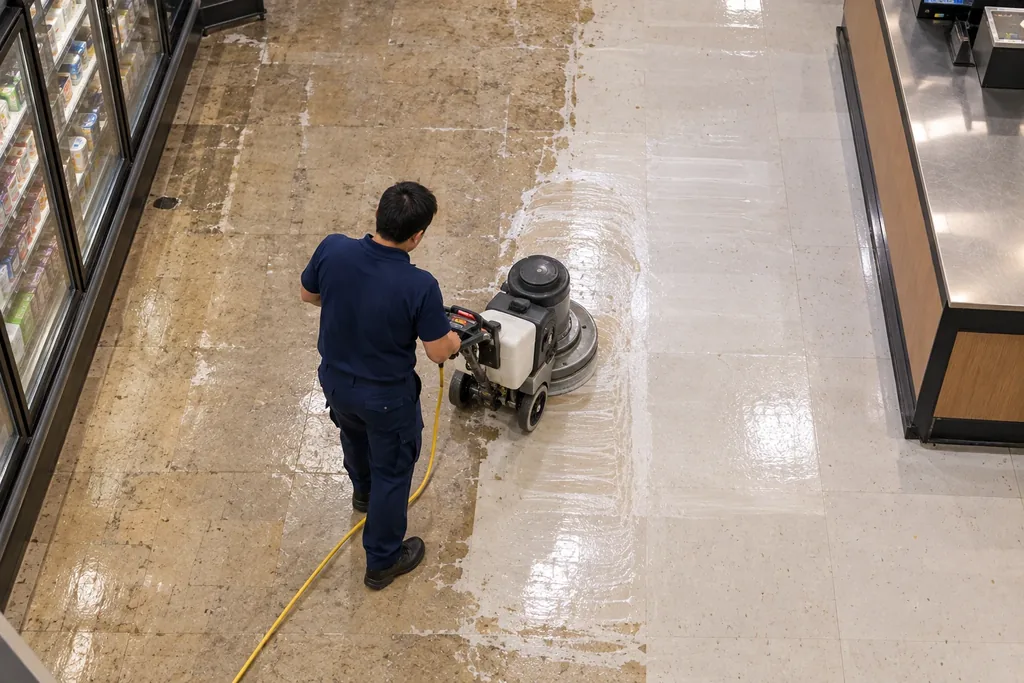
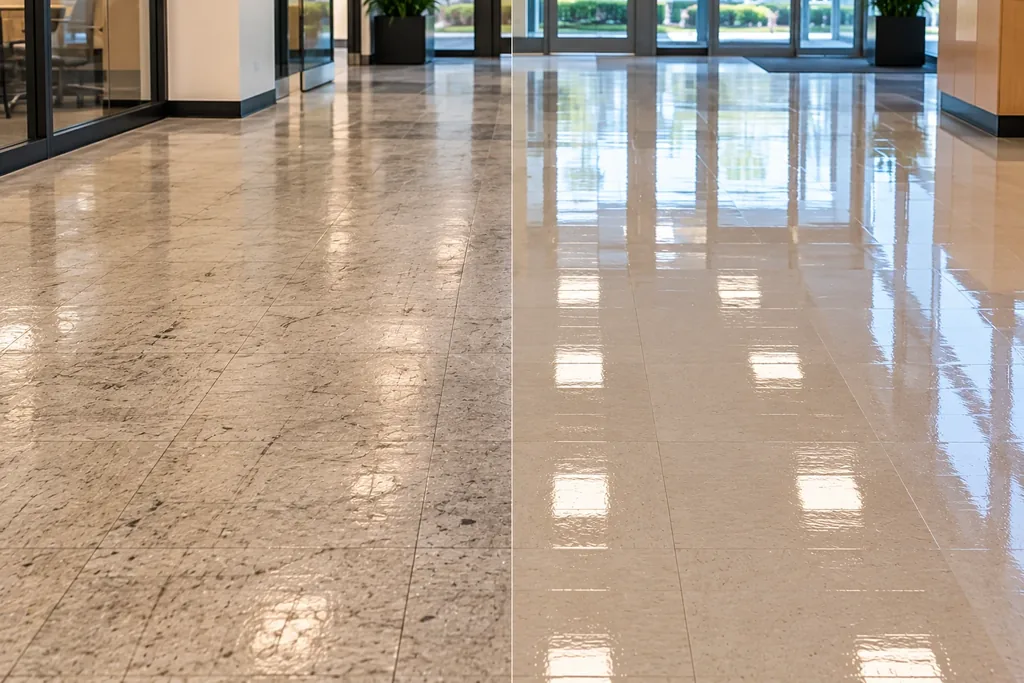
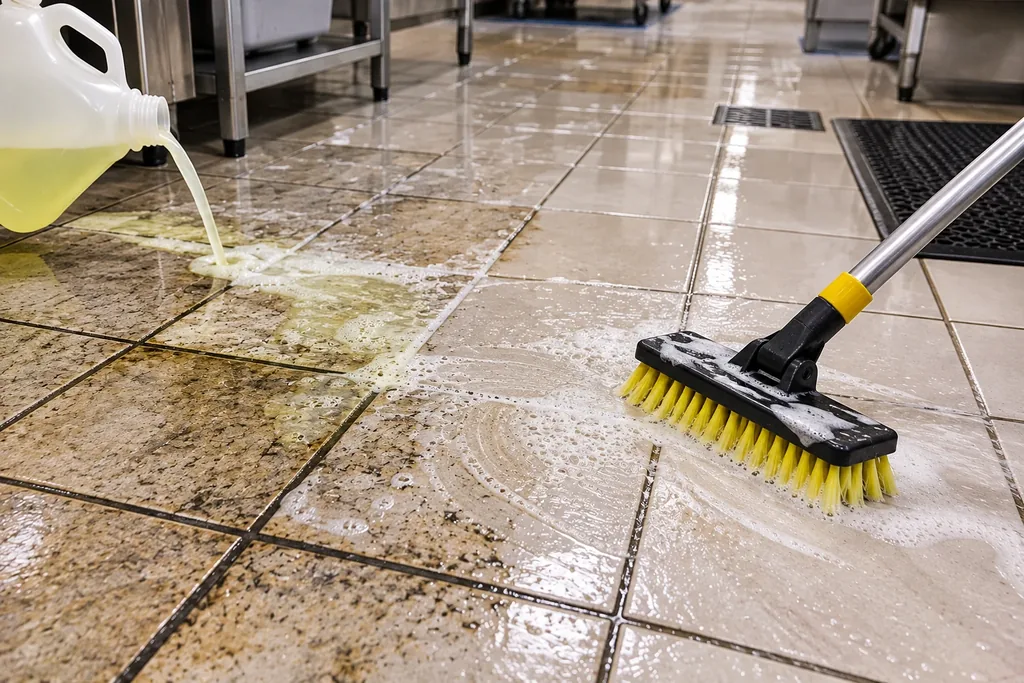
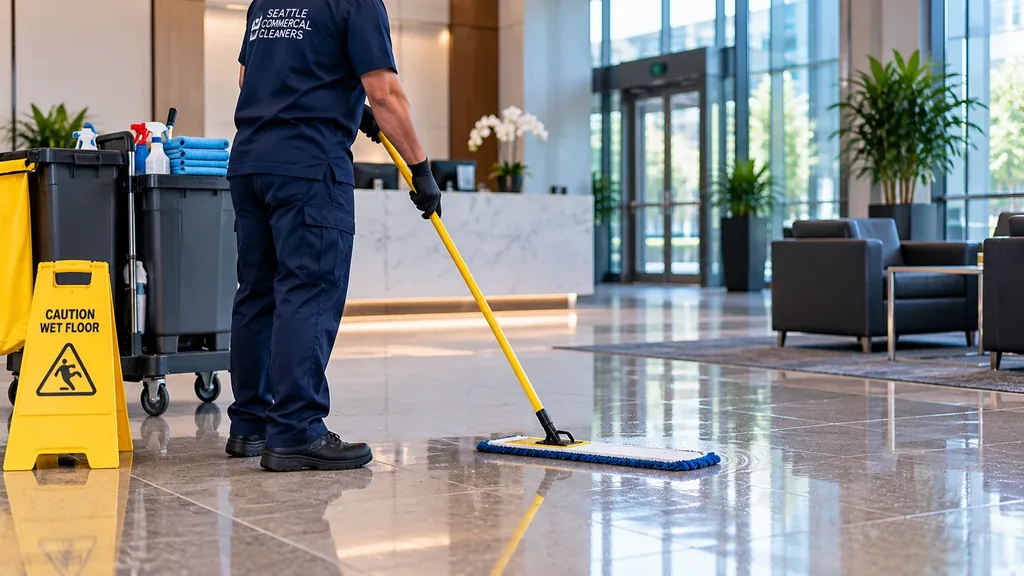
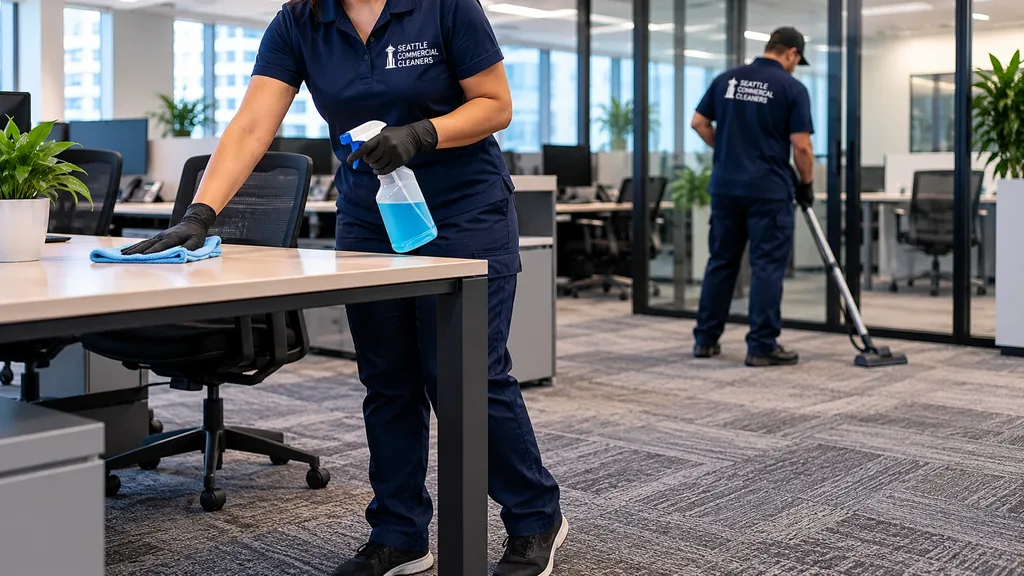
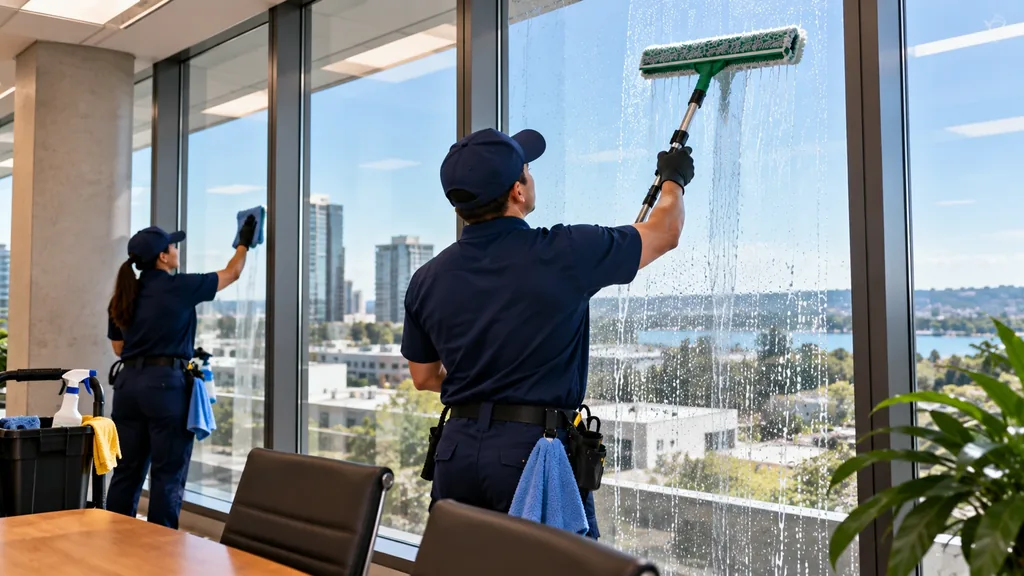
Beyond this service, our team covers the full range of commercial cleaning your property needs. Explore a service below to see what is included and get a free quote.

Areas We Serve:
Our office is in Seattle, and we serve businesses across the greater Puget Sound area, including:





Why Use Seattle Commercial Cleaners?
Seattle Commercial Cleaners is an established commercial cleaning contractor that has served the Seattle metro area since 2012. We are one of the region’s longest-running commercial cleaning teams, and our hard water stain removal is built on trained, insured technicians, up-to-date equipment and current safety standards.
- Local since 2012: more than a decade of commercial cleaning across Seattle, Bellevue, Renton, Kent, Tacoma and the surrounding area.
- Trained and insured technicians who use up-to-date equipment and follow current safety standards.
- English and Spanish speaking staff.
- Members of ISSA, the International Window Cleaning Association, BOMA and other industry organizations.
- Free, fast quotes and a satisfaction guarantee on every job.
- A portion of every scheduled job supports Seattle Humane, The Ocean Cleanup or Seattle Children’s.
You can read more about our team, see the industries we serve, or check the areas we cover. Ready to book? Request a free hard water stain removal quote.
Reviews
Ryan and his crew positively assured my concerns about safety and the type of work to be performed. Deck cleaning and entire house washing with excellent results and superb clean-up done all in one day. I Highly, highly recommend it.
The team was very responsive to our time-sensitive project. We will definitely be using them in the future for our other retail units. Professional communication and quality work!
We just had our windows washed. I highly recommend their business. We found them to be prompt and friendly. Their work is excellent. We have many windows, 59 to be exact, and they all look beautiful. Their prices are extremely reasonable.
Benefits of working with us:
- We are highly trained for each cleaning task, including hard water stain removal.
- We use safe, industry-standard products and can follow the product preferences of your facility.
- We schedule around your operating hours, including after-hours and weekend service.
- We are one point of contact for recurring treatment and one-time restoration work.
- We build a long-term relationship with your team and keep our service consistent.
- We have immaculate attention to detail and provide first-rate commercial cleaning.

Green Cleaning Products

Highly Qualified Cleaners

We Get the Job Done Right

Satisfaction Guaranteed
Contact us today for a fast quote from our friendly, experienced, and professional team. Let us take the burden of cleaning so that you can get back to work.
To schedule janitorial service, call us at (206) 755-2949 or visit our contact page.
Seattle Location





Frequently Asked Questions
What causes hard water stains on glass and fixtures?
Hard water stains are the mineral residue left behind when water evaporates. Water carries dissolved calcium, magnesium and sometimes silica, and when it dries those minerals settle on the surface. Repeat that cycle and the film becomes a bonded, crusty deposit that ordinary cleaning cannot remove.
Can hard water stains be removed, or does the glass need to be replaced?
In most cases the stains can be removed. Treating glass and replacing it are very different costs, and removing the mineral deposit usually costs far less per pane than replacement. Deep etching that has already damaged the glass may need polishing or restoration, and we will tell you honestly which result to expect after we inspect it.
How much does hard water stain removal cost in Seattle?
Pricing depends on the surface, the size of the area, how heavy the buildup is and how long it has been there. A light film on a few windows is a very different job from years of limescale across tile and fixtures, so we look at the property first and quote on the real scope instead of a flat rate.
Will the removal process damage my windows, tile or fixtures?
No. We match the product and method to the material and test in a small, hidden area before treating the whole surface, so the mineral remover lifts the deposit without scratching or dulling what is underneath.
How do I stop hard water stains from coming back?
Remove the source where you can, such as adjusting sprinkler spray away from glass, and keep the affected surfaces on a regular cleaning or treatment schedule. Protecting or sealing the surface also makes the next round of cleaning easier and slows the buildup down.